
Slow-grazed provenance
Our animals only eat what we grow here
We can speak with confidence to their provenance
Wine makers like to talk about terroir, the Scots like to talk about dualchas (‘doo-al-chus’) to describe how specific natural environments, heritage and traditions shape the unique great taste and character of produce from that place
Our beef has that
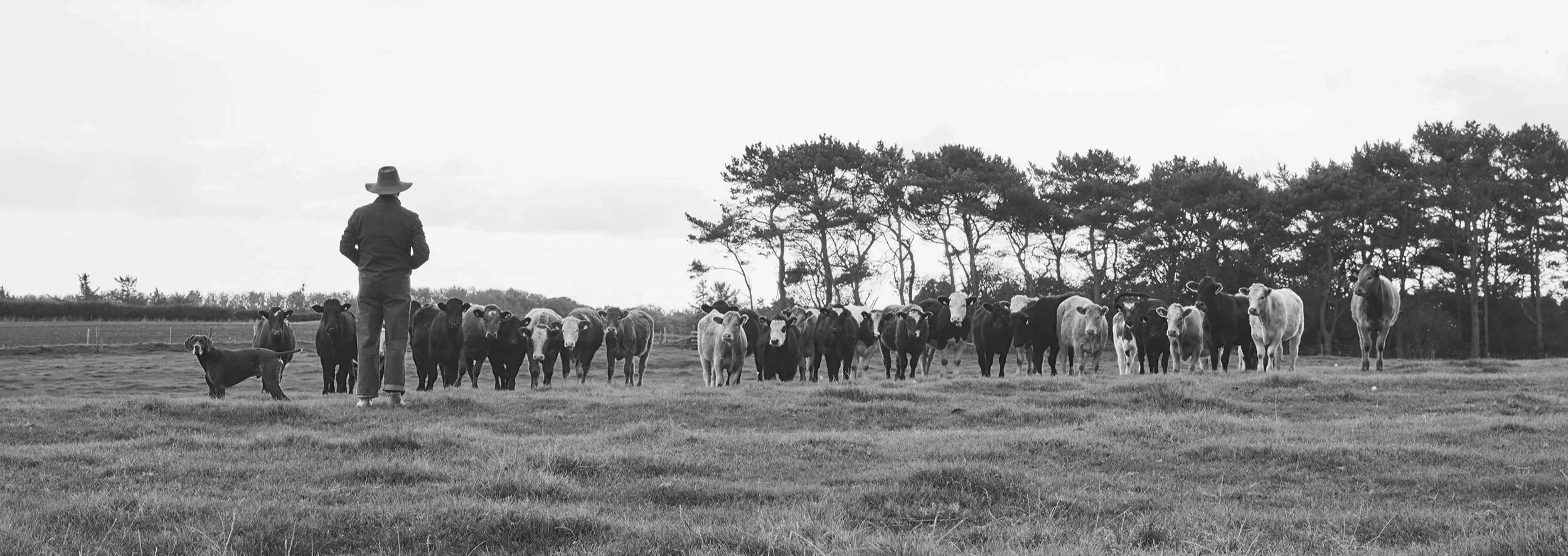
It starts in the hills
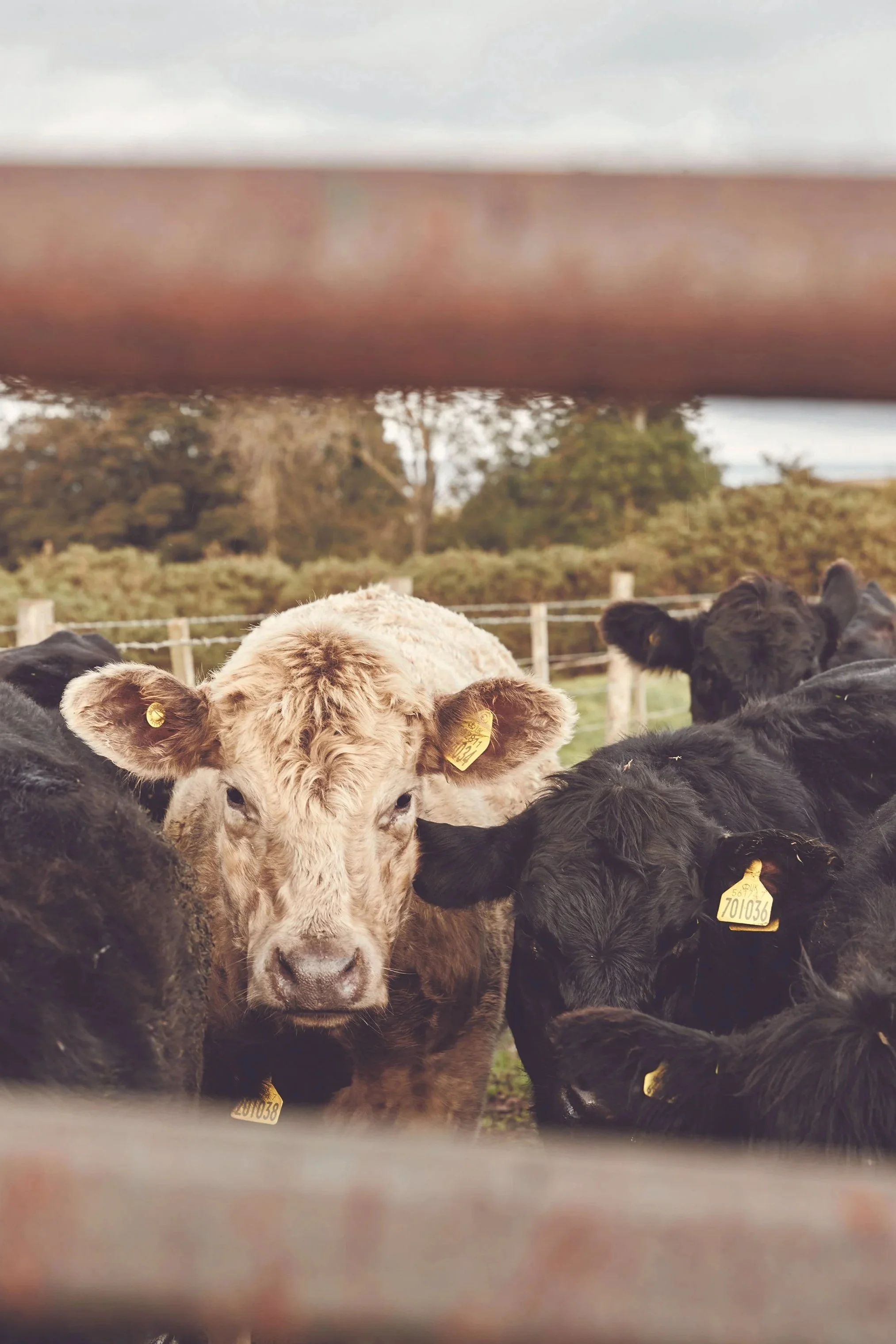
We farm in the traditional way. We focus on traditional beef breeds from traditional herds born up in the hills, and bring them home along the traditional route to the coast where they thrive.
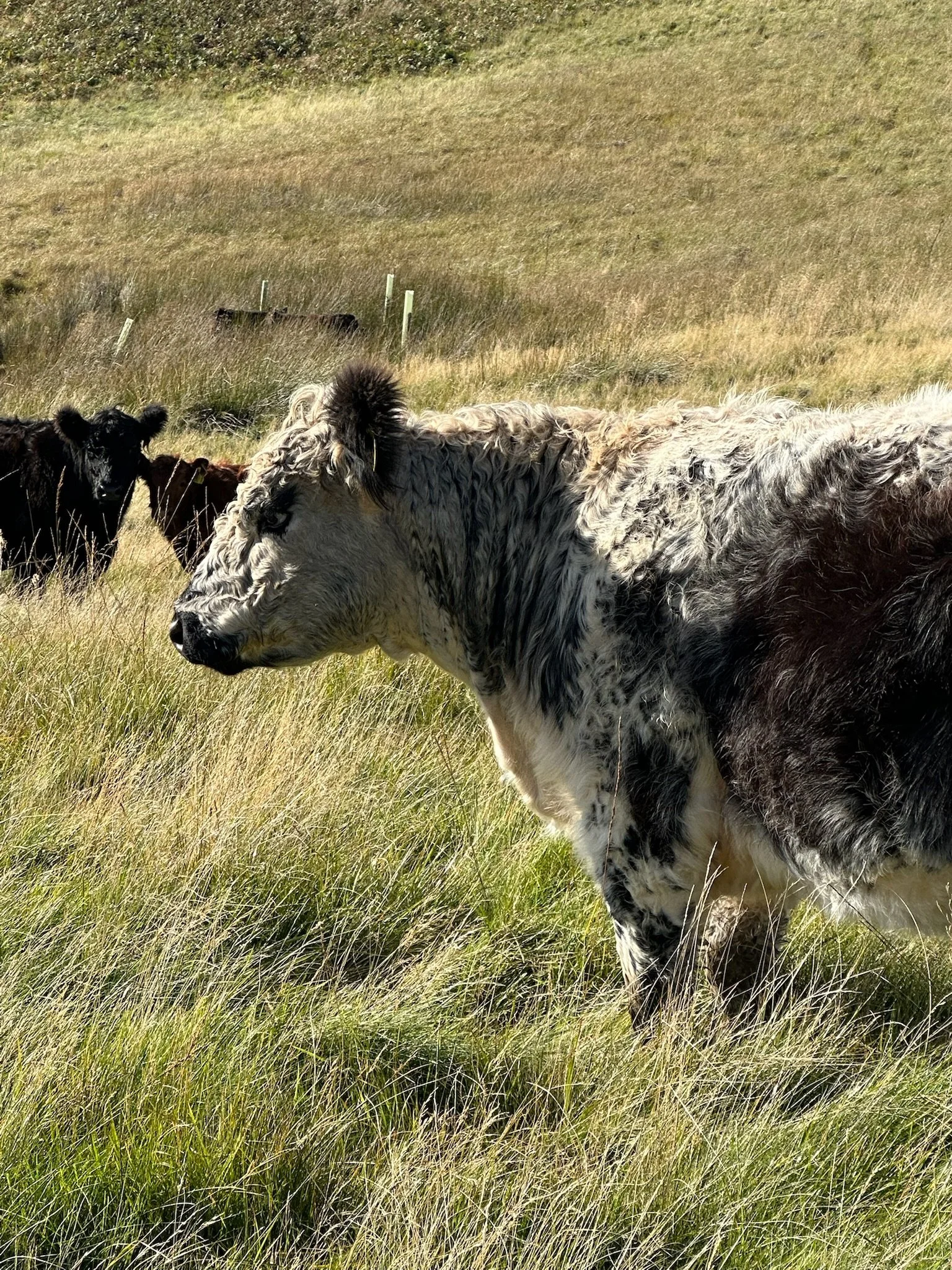
Hill-bred cattle are built to get through tough and wet winters by building fat reserves when times are good in the summer, hence the marvellous marbling!
As you look over our cattle you will see a wonderful mix of colours and patterns in their markings but since they mainly come from black hill coos, there’s always lots of black Aberdeen Angus beasts as well. They mainly come from black hill coos.
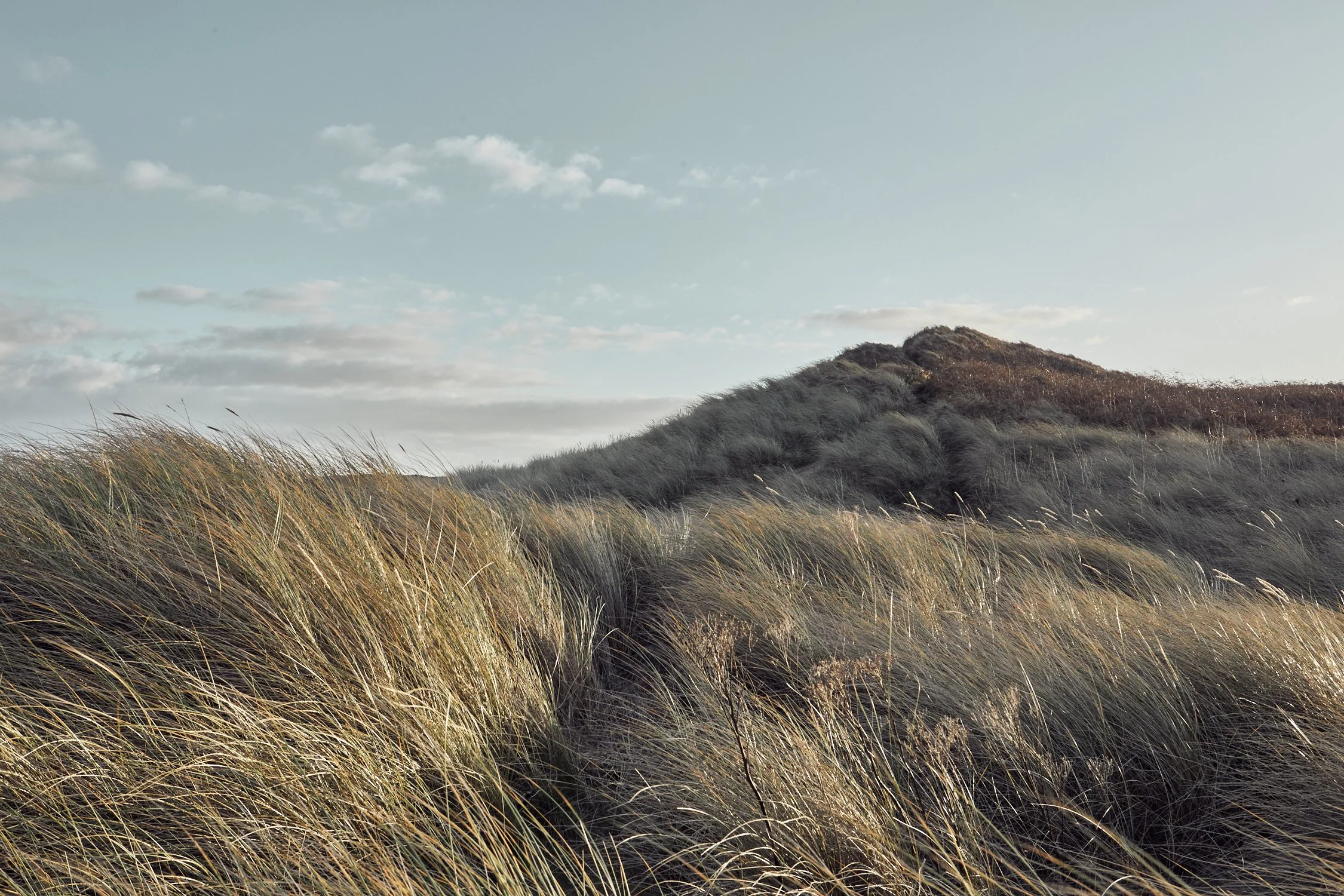
Down to the sea
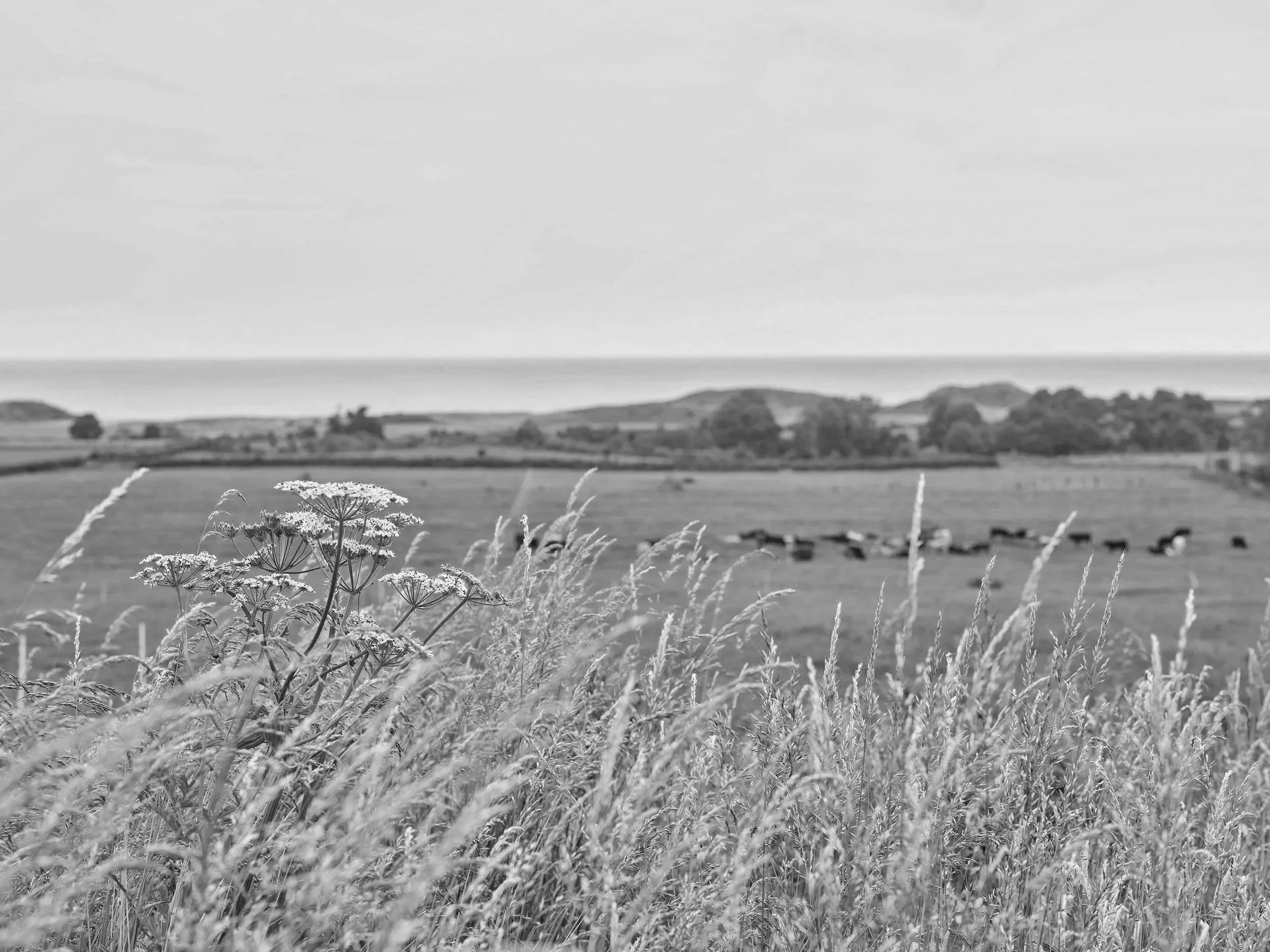
Our Northumbrian coastal pasture spans our farms at Embleton and North Sunderland. We have resown our grass fields with lots of species of grasses, herbs and legumes to give our cattle a very diverse diet (along with a fantastic, fond view of sand dunes and salty air!)
Our cattle only eat what we grow here
We know exactly what our cattle eat and where it comes from, and do not supplement or bulk up their diets.
We focus on diets that allow our cattle to grow at a slow and natural rate, eating only high-quality homegrown forage.
Often cattle are pushed along with a diet that is unnaturally intense, incorporating by-products from the human food supply chain to quickly add bulk and accelerate growth. These include highly processed bread and other baked goods, root vegetables, and poor quality, high-carb supplements. That doesn’t happen here.
Just as ‘you are what you eat’, so are our cattle.
Turbo-charged diversity
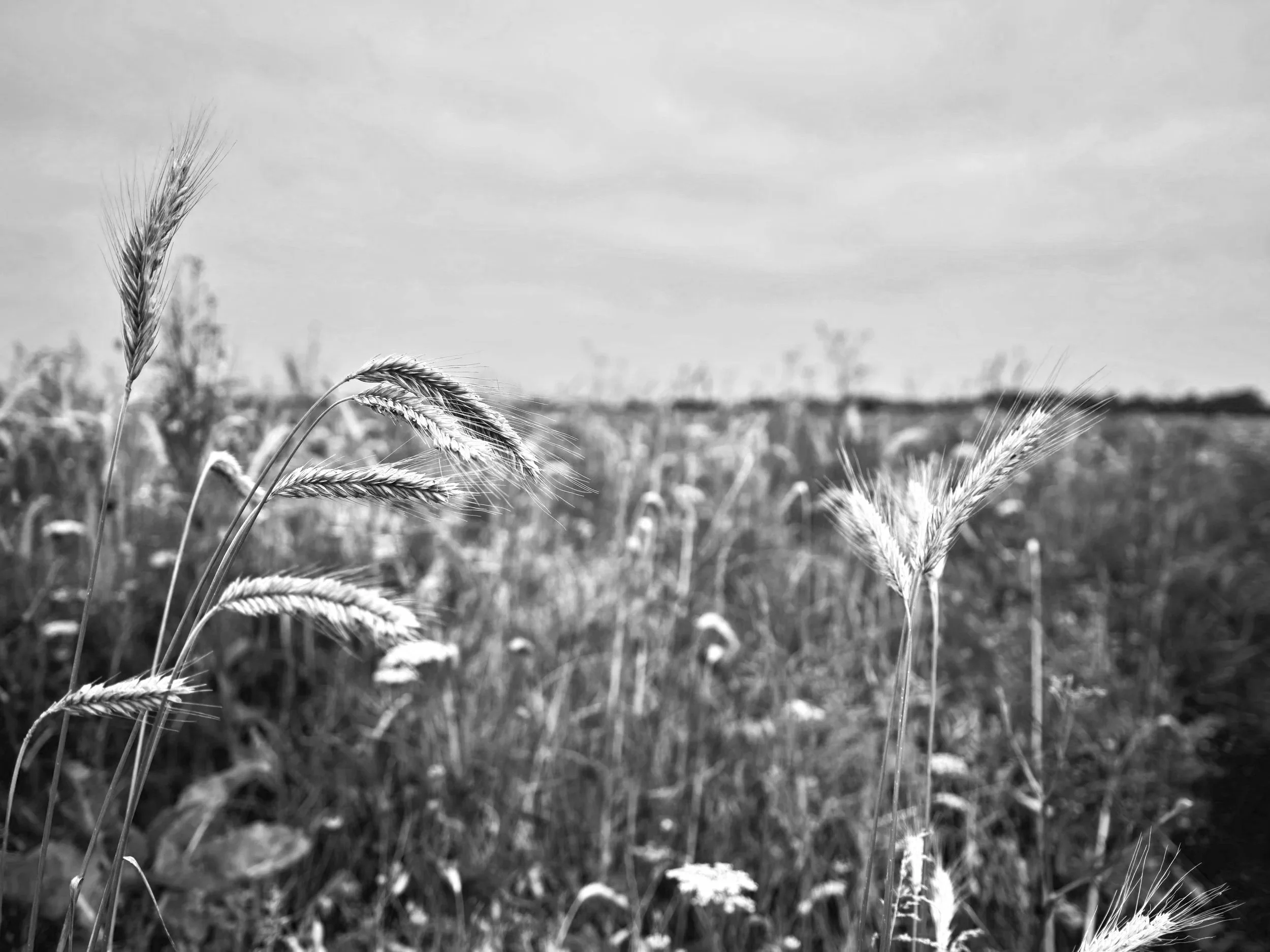
When our cattle come inside for the winter, we feed them silage along with ensiled oats, barley, lucerne (aka alfalfa), vetch and yet more grasses.
We estimate that every mouthful of our silage is made up of between 20 and 25 species of grasses, legumes and herbs.
Just as we need diversity in our diets, so do cattle. Cattle are the kings and queens of fermentation so we do our best to turbo charge their tummies, enabling them to break down all the goodness in their forage, boosting their strength, energy and overall health.

Slow grazed, slow grown
Natural and unhurried maturation results in smooth, even and fine flecks of intramuscular fat, or marbling
Forced and accelerated growth, on the other hand, can lead to animals storing thick layers of external, intermuscular fat. And that is the key difference in the meat.
Beautiful marbling is what gives the meat its deep, rich flavour, tenderness, and a melt in the mouth finish.
As the finely marbled fat melts, it spreads delicious flavour, locks in moisture for juiciness, as well as tenderising the texture, influencing every aspect of the experience.
That’s why Emble beef was awarded Three Gold Stars in the Great Taste Awards 2026
Where to find our beef
We are proud to supply top independent and family butchers, including The Herd in Seahouses, Nicholsons of Whitley Bay and Lidgates, London.
The Herd, Seahouses
The Herd was established in 2025 in Seahouses, a seaside village that neighbours our land.
Harriet and Dan Whitelaw come from farming stock and, along with their head butcher, Harvey, have dived into the butchery trade with great enthusiasm and are smashing it.
They take our beef from nose to tail. We are very keen to work with butchers who are able to take the whole animal, nothing is wasted and customers are encouraged to try new cuts. It’s not all about sirloins and rump steaks - you must try their Emble short ribs!
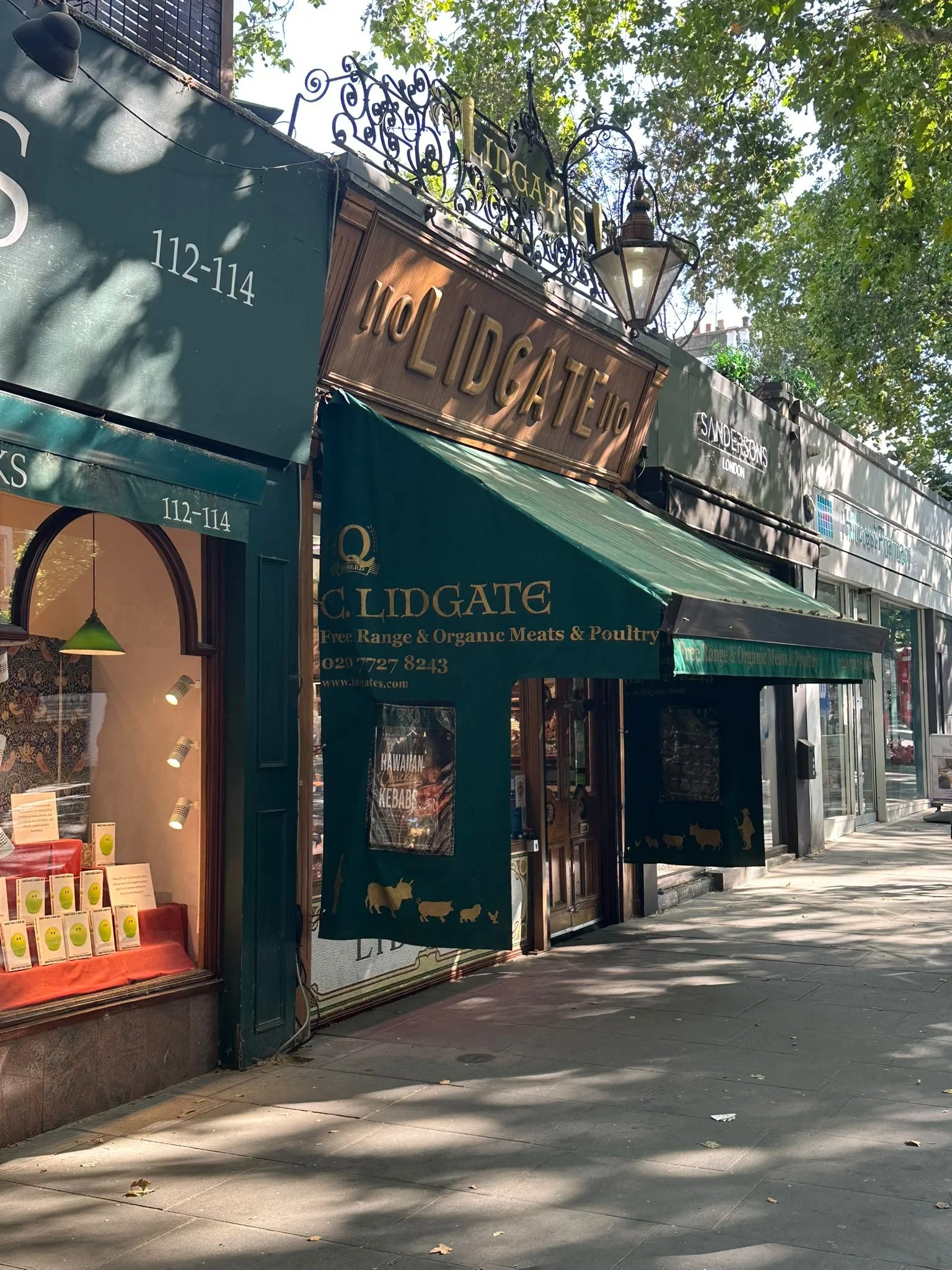
Lidgate, Kensington
Danny Lidgate is the fifth generation Lidgate to run C Lidgate, founded in 1850. Located on Holland Park Avenue in Kensington, the business is universally recognised as London’s oldest and best master butcher.
We’ve built a close relationship with Danny and his team, led by Stephen Owen in the shop. They pride themselves on only selling the best of the best from UK producers and routinely win awards for their products, including with our beef, which was awarded three stars in Great Taste 2026.
If you’re in London, stopping by their very busy shop is a memorable experience, you’ll probably see an off duty celeb, and if you mention Emble, you will get a meaningful nod from behind the counter.
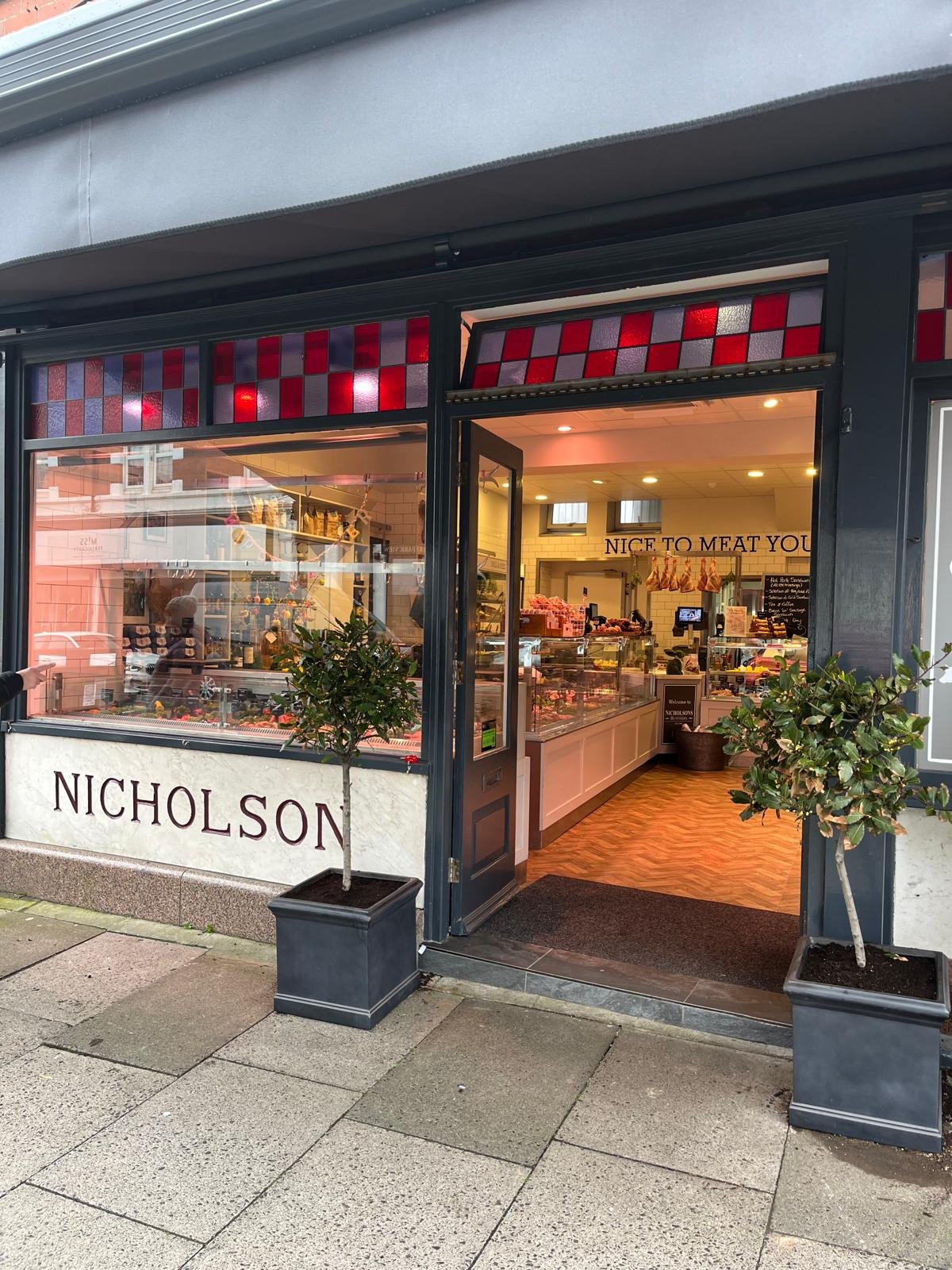
Nicholsons, Whitley Bay
Nicholsons is a stand out name in Northumberland butchery. Kathryn Meadows (nee Nicholson) is the fourth Nicholson to run the marvellous shop on Park View.
She frequently hosts butchery evenings in the shop where customers come and try their hand. We love to come along and talk about where Nicholson beef comes from and help make that vital connection between eating, farming and growing.
“We believe great steak starts long before it reaches the butcher’s block. It starts with good farming, high welfare standards, and careful maturation. We know that’s what we are getting from Emble.”
